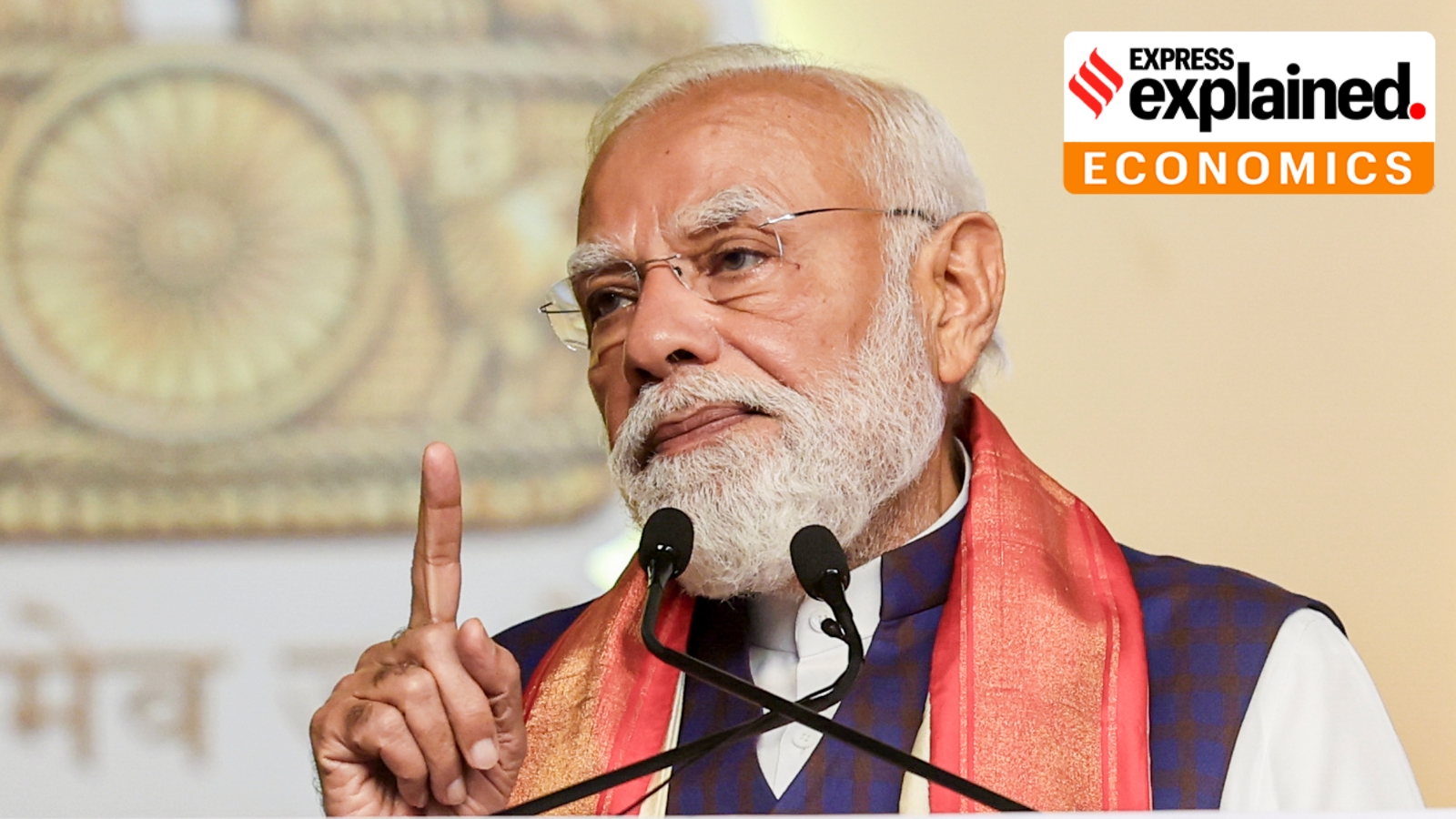
 Prime Minister Narendra Modi in Hyderabad on May 10, 2026. Photo: PMO via PTI
Prime Minister Narendra Modi on Sunday (May 10) urged citizens to reduce spending on petroleum products and gold in a bid to conserve India’s declining foreign exchange reserves.
He advised citizens to increase the use of public transport and electric vehicles (EVs), revive Covid-era work-from-home arrangements and avoid non-essential foreign travel and gold purchases for a year, prioritising local goods instead.

“Use metros wherever metros are available… All of this will reduce dependency on petrol and diesel, and thereby cut the dependence on foreign currency,” he said.
The proclamation comes even as India’s forex reserves face massive pressure from multiple directions. India, a net oil importer that meets 89% of its oil needs from external sources, now has to pay higher oil prices — from around $70 per barrel a year ago to over $113 now.
We explain why this proclamation was made and what this means for you.
First, why gold?
Quite simply, India is not a gold producer and imports its entire gold. Last year, India spent about $72 billion – approximately $6 billion per month – on gold alone. This situation is complicated by gold’s role as a reserve asset.
The Reserve Bank of India has been aggressively accumulating gold, adding 168 tonnes from London over the past year to a total of 880 tonnes as of March 2026. Gold currently comprises 16% of Indian total forex reserves, an increase from 10% last year.
However, gold purchases by citizens work in the opposite direction: When the RBI buys gold, no new dollars leave the country, whereas citizen purchases translate into dollar outflows in exchange for the imported gold.
As dollars flow out, the Indian rupee weakens, making gold even more expensive. This creates a vicious cycle where the Indian consumer pays more rupees for gold simply because previous gold purchases weakened the rupee.